ENDNOTES, September 2018
Commemorating Debussy
by Stuart Millson
Claude Debussy – often referred to as the founder of Impressionism in music – is being commemorated extensively, in the concert hall and on record, in this, the centenary of his death. Born at St. Germain-en-Laye on the 22ndAugust 1862, Debussy was described by The New Oxford Companion to Music as: “… one of the most influential figures of his generation”. He brought to life a new, spell-like style or “timbre” of music – works for orchestra, piano, the opera house, and for odd combinations of chamber instruments (a Sonata for Flute, Viola and Harp, for example) which combined a sensuous mysticism, with a sense of fleeting, delicate colour. And in works such as the slow movement of his String Quartet (1893) and Cello Sonata from 1915, a sense of melancholia and regret pervade his astringent sound-world.
His most famous work is, perhaps, the “three symphonic sketches”, La Mer, written between 1903 and 1905, with its famous Jeux de vagues middle-movement, in which maritime light, wave movements and sudden changes of tide and tempo create an atmosphere both exciting and almost supernatural. Yet for all of the work’s haze of colour and intoxicating feeling, Debussy himself did not see himself as the Impressionist of the orchestra. When describing his large-scale Images (brilliantly recorded, incidentally, on the Naxos label some 25 years ago by the Belgian Radio and Television Philharmonic Orchestra under Alexander Rahbari), Debussy stated that he was attempting “…something different, in a sense, realities.” Continue reading






Afua-centrism
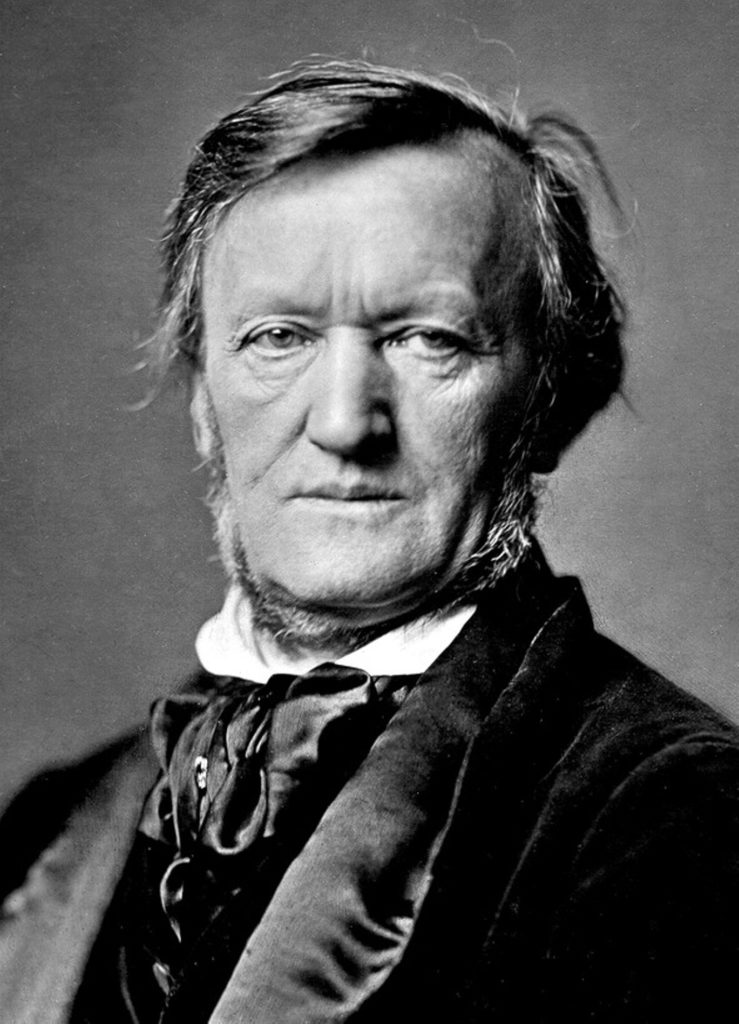
Afua Hirsch
Afua-centrism
Brit(ish): On Race, Identity and Belonging, Afua Hirsch, Jonathan Cape, 2018, pp 318, reviewed by Bill Hartley
What is it like to be the descendant of immigrants to Great Britain? Such a person may never have visited the home country of their parents but is made aware on a regular basis that they are different to the majority. Skin colour is of course the great identifier but one can only the imagine the reaction of people like Afua Hirsch, a child of mixed English, German Jewish and Ghanaian ancestry, when asked by some well meaning person; ‘where are you from?’ Or, indeed, when government departments, prodded by their ‘race relations advisors’, produce forms asking about one’s ethnicity, lumping the descendants of Africans and a host of other nations into a handful of categories such as ‘Black British’. Hirsch shows us the complexities of race and identity from her own perspective, augmented by research into the history of black migration. Continue reading →
Share this:
Like this: